It Started with a Simple Yes: Ryan Mason's Coaching Journey

September 7, 2026

From a local club team to the world stage, Ryan Mason reflects on the people, experiences and opportunities that have shaped his coaching journey so far.

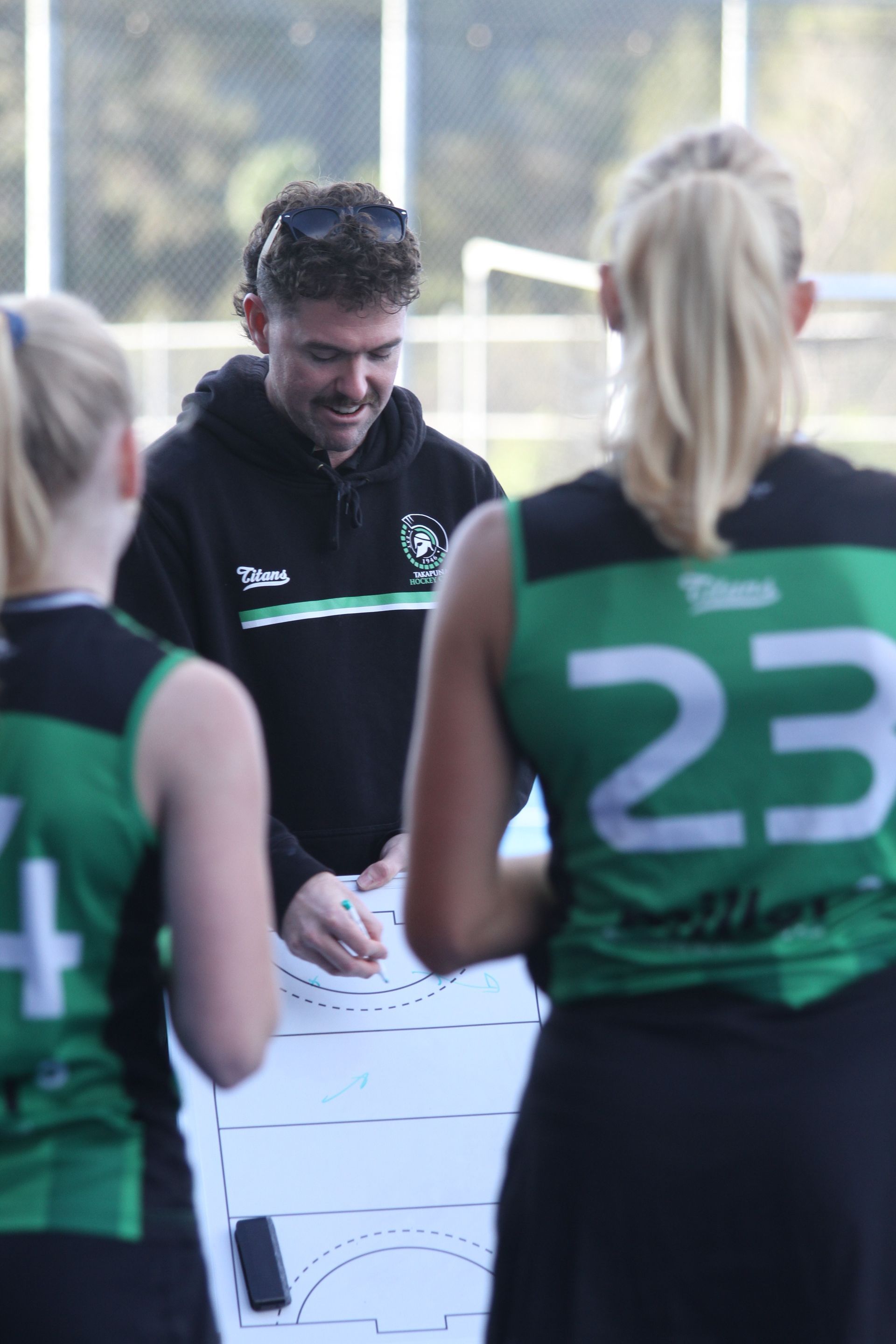
When Ryan Mason agreed to coach the Howick Pakuranga Division 2 Women's team in 2018, it was simply an opportunity to help out his sister.


At the time, he was studying engineering and focused primarily on his playing career. Coaching was unfamiliar territory, and stepping into the role was daunting. What he didn't know then was that a single season would spark a passion for coaching and a desire to keep learning.


"I was pretty nervous to begin with, but I quickly discovered a real love for coaching."


While the team enjoyed success on the field, the real value of that first season was what he learned as a coach. It challenged him to think about culture, relationships and how to bring the best out of people, lessons that would become hallmarks of his coaching in the years ahead. That curiosity to learn and improve quickly grew beyond a single team.

Seeking new experiences and opportunities to develop, Ryan made the bold decision in 2022 to leave his engineering job and move to Melbourne to coach and play at Yarra Hockey Club. The experience exposed him to new coaching environments, different ways of thinking and a higher level of hockey. It also provided opportunities to complete coaching qualifications and participate in Hockey Victoria's Talented Coaches Programme.


"It gave me a great foundation and opened my eyes to what was possible in coaching."
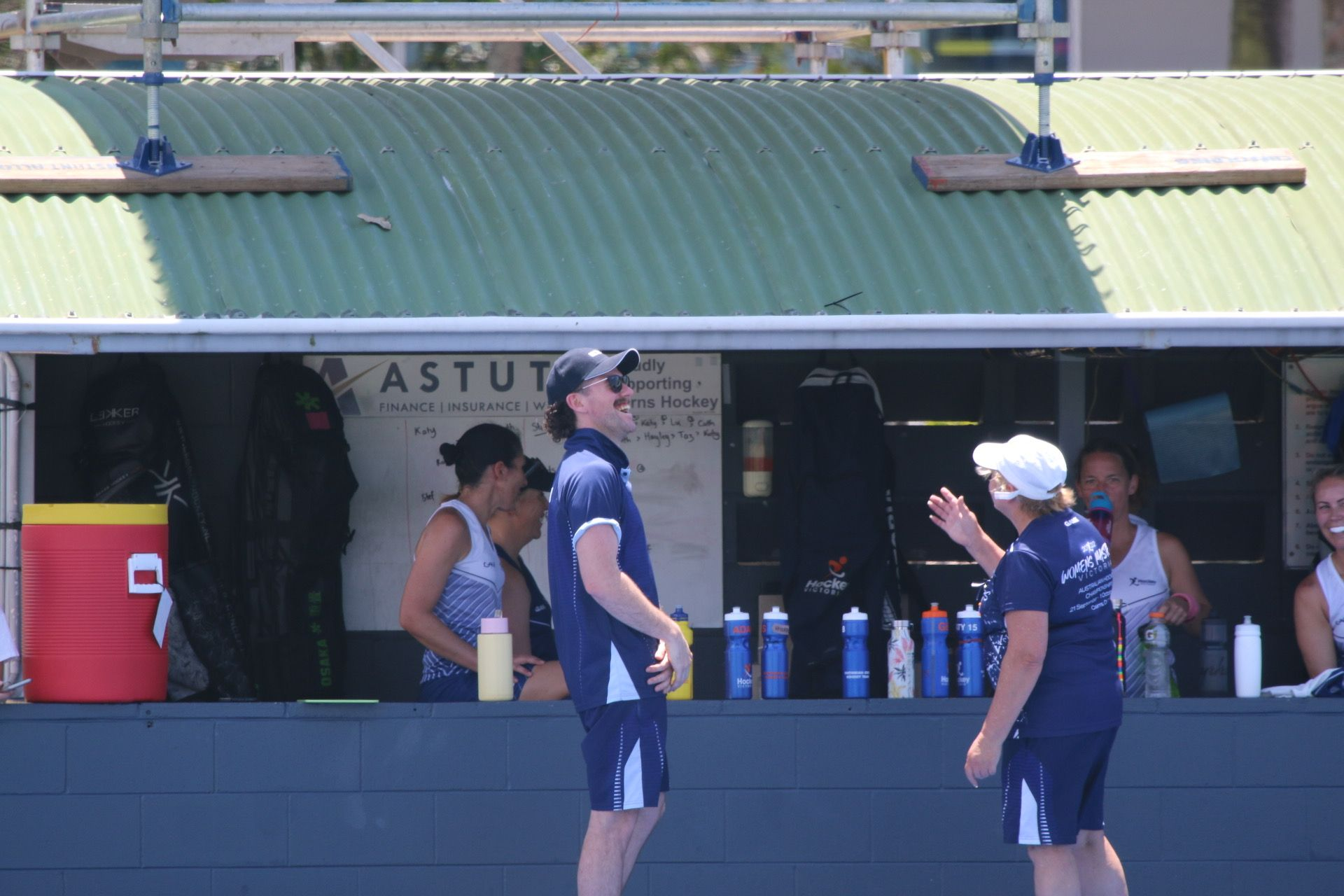
The move also marked the beginning of his Masters coaching journey with the Victoria 40s Women's programme, an experience he describes as one of the most influential in his development.


From there, his coaching journey continued to expand across club, school, representative and international environments, including roles at Takapuna Hockey Club, Saint Kentigern College, Auckland representative teams and New Zealand Masters programmes.

While formal courses and development opportunities played an important role, he believes the people around him have had the greatest influence on his growth.


"There have been so many people and experiences that have influenced my coaching. It has been the people I've coached with, coached against, learned from and been challenged by who have had the biggest impact."


Mentors, fellow coaches, support staff and players have all contributed to shaping his thinking. Ryan speaks highly of the influence of players within the Takapuna Premier Women's programme and the New Zealand 35s Women's team, particularly Petrea Webster, Ella Hyatt-Brown, Aniwaka Roberts and Kushla Glauser-Child. More broadly, he believes the collective experiences, perspectives and feedback from all players across these teams have played a significant role in shaping the coach he is today.


That belief that coach development happens through relationships, experiences and shared learning has remained a constant throughout his journey.

Today, Ryan is Head Coach of the Takapuna Premier Women and leads the New Zealand 35s Women's programme. Reflecting on his coaching journey, one of the biggest lessons he has learned is that development never stops.


"I've learnt how to manage expectations, personalities and conflicts within a team. I'm still learning things daily."


Whether coaching club teams, school programmes or international campaigns, every environment has presented new challenges and opportunities to learn. He credits the players he works with for continually stretching his thinking and helping him evolve as a coach.

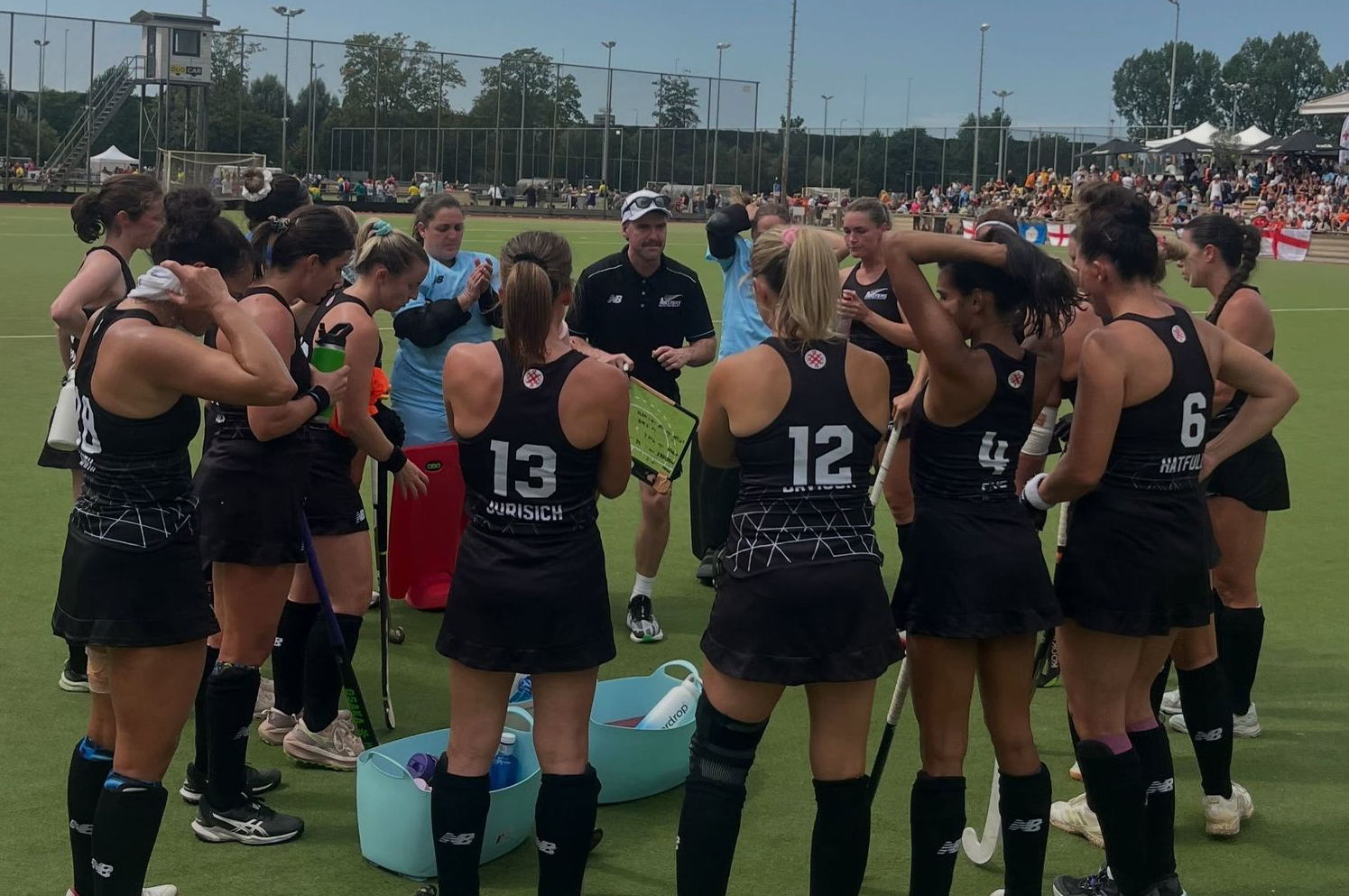
Those experiences helped prepare him to lead the New Zealand 35s Women's programme on the world stage. Earlier this year, the team reached the Masters World Cup Final in Rotterdam, finishing with a silver medal.


While the result was a significant achievement, he is most proud of the programme that has been built over the past three years.


"The culture, respect, standards and talent within the group are now functioning at an incredibly high level."

For Ryan, the silver medal represented more than a tournament result. It reflected years of investment in people, relationships, preparation and a shared commitment to continual improvement.


Extensive planning, game analysis, team meetings and tactical preparation helped create clarity and alignment throughout the campaign.

"You need talent to win, but I believe talent combined with strong culture, preparation and alignment gives you the best chance of success."


Despite the achievements, he sees coach development as an ongoing journey rather than a destination.


The impact of Ryan's approach is reflected in the experiences of the players within the programme. New Zealand 35s Women's captain Kushla Glauser-Child credits Ryan's leadership, preparation and commitment as key factors in the team's growth and success.


"Ryan's commitment and belief in what the NZ35s programme could become has been huge. He treats it as a genuinely high-performance campaign and sets clear expectations around preparation and standards. Players bought into that because they could see how much work he was putting in himself."


She also highlights the culture and connections that sit at the heart of the programme.


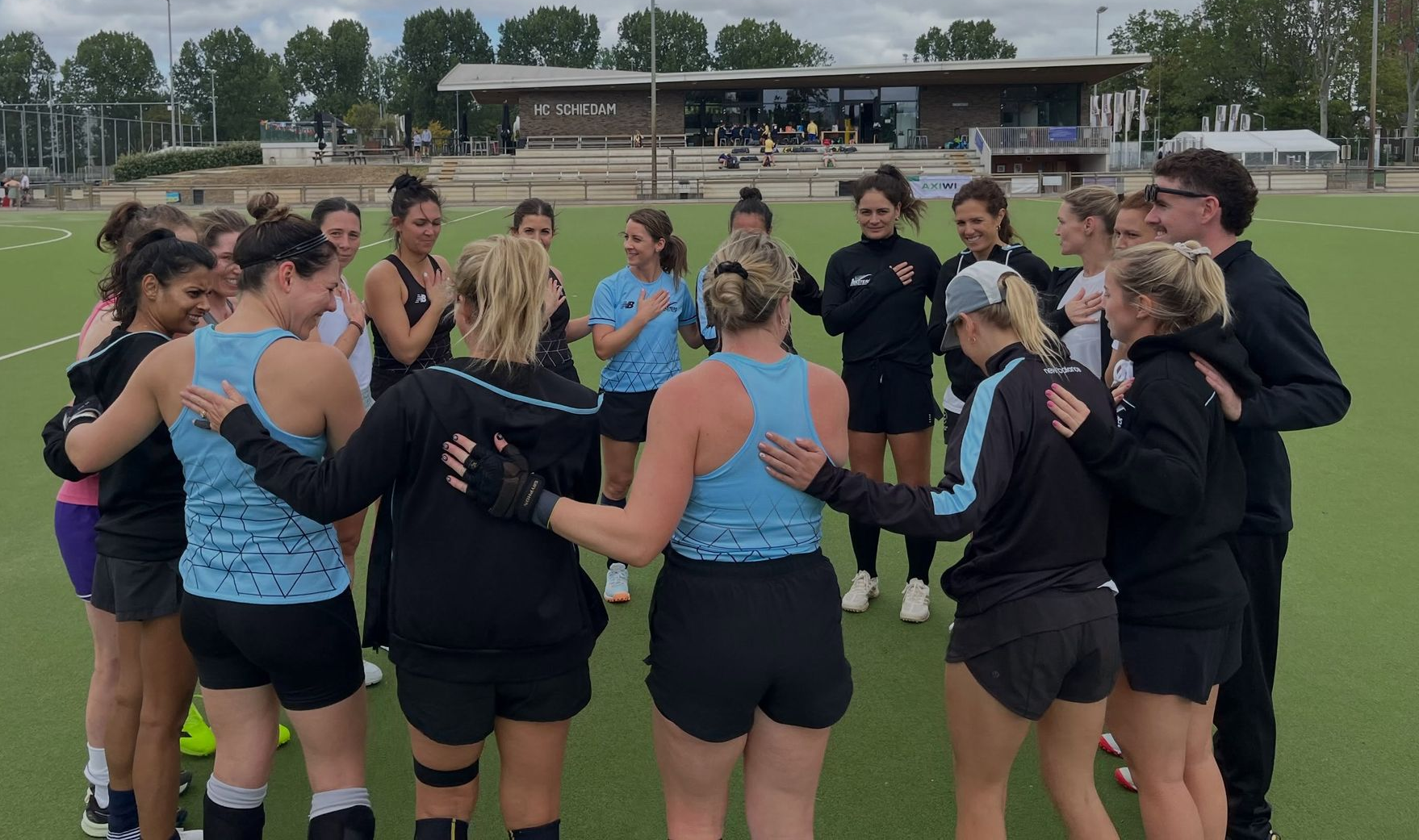
"From the outset, Ryan invested in understanding people and building trust. He grounded the programme in strong culture, shared values and a clear sense of who we were and what we were building together. Even in the middle of the tournament, we made time for connection activities that strengthened those relationships."


Looking ahead, Ryan hopes to continue challenging himself through higher-level coaching opportunities, advanced coaching qualifications and experiences within national age-group environments.


He is also a strong believer that some of the best learning happens through conversations.


"I love grabbing a coffee with coaches and hearing how they see the game, how they approach different challenges and what they have learned through their own experiences."


For coaches looking to continue their own development, his advice is simple.


"Stick with it and do the yards. Coaching isn't easy and it is very time consuming, but it's the people, the connections, the lifelong friends and the highs that make it so fulfilling. Keep learning new things, work on your culture early, and make sure it's fun because hockey is fun."


His story is a reminder that coach development rarely follows a straight line. It is built through experiences, relationships, challenges and opportunities, often beginning with a simple decision to say yes.


From coaching a local Division 2 team in 2018 to leading New Zealand to a Masters World Cup final, Ryan's journey so far highlights the power of staying curious, embracing new experiences and continuing to learn at every stage of the coaching journey.


We thank Ryan for sharing his coaching journey and for his contribution to hockey, and wish him all the best for the exciting opportunities and challenges that lie ahead.

Want to share this post?

By Nicole Youman August 20, 2026
Expressions of Interest are now open for coaches aspiring to grow their impact within New Zealand's performance hockey environment.
By Ben Owens August 17, 2026
Learn from some of the world's leading hockey coaches, completely free and from anywhere.
By Nicole Youman August 17, 2026
Hockey Wairarapa are hosting an FIH Level 2 Coaching Course. Expressions of interest are now open and spots are limited.
By Nicole Youman August 9, 2026
From holding a stick to building confidence on the ball, explore CoachMate's latest resources designed to help players get started and thrive.
By Nicole Youman July 6, 2026
Danielle Cranston and Hemant Lala named Head Coaches of the New Zealand Under 21 Womens and Mens Programmes.
Coaches from New Zealand and Australia completed the 2026 FIH Level 3 Coaching Course alongside the
By Nicole Youman July 1, 2026
Coaches from New Zealand and Australia completed the 2026 FIH Level 3 Coaching Course, strengthening the performance coaching network across the Oceania region.
More Posts