Imagine an eight-year-old player attending hockey for the first time.
They signed up because their friends play. They're excited, maybe a little nervous, and hope they'll learn some new skills, make friends, and have fun.
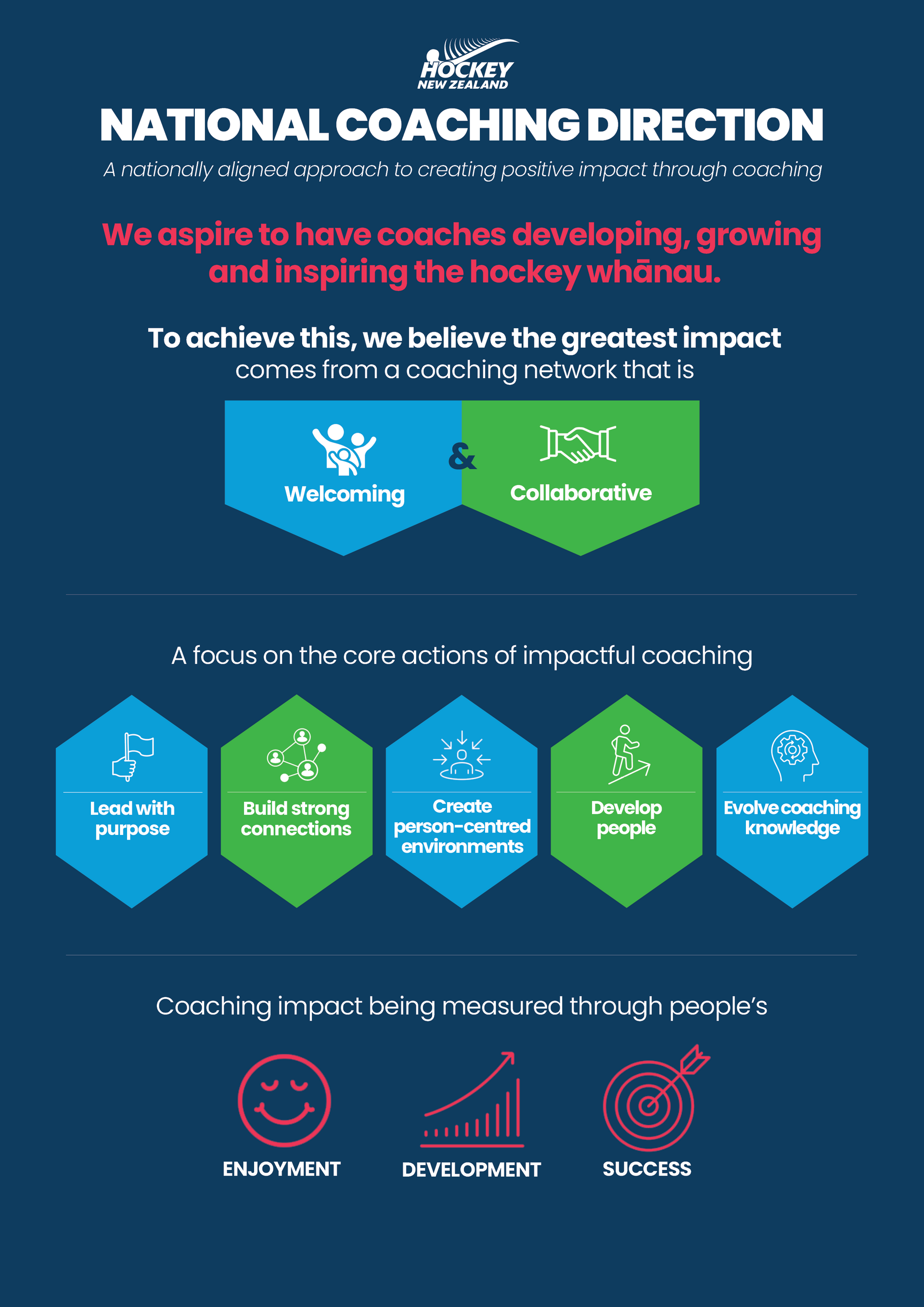
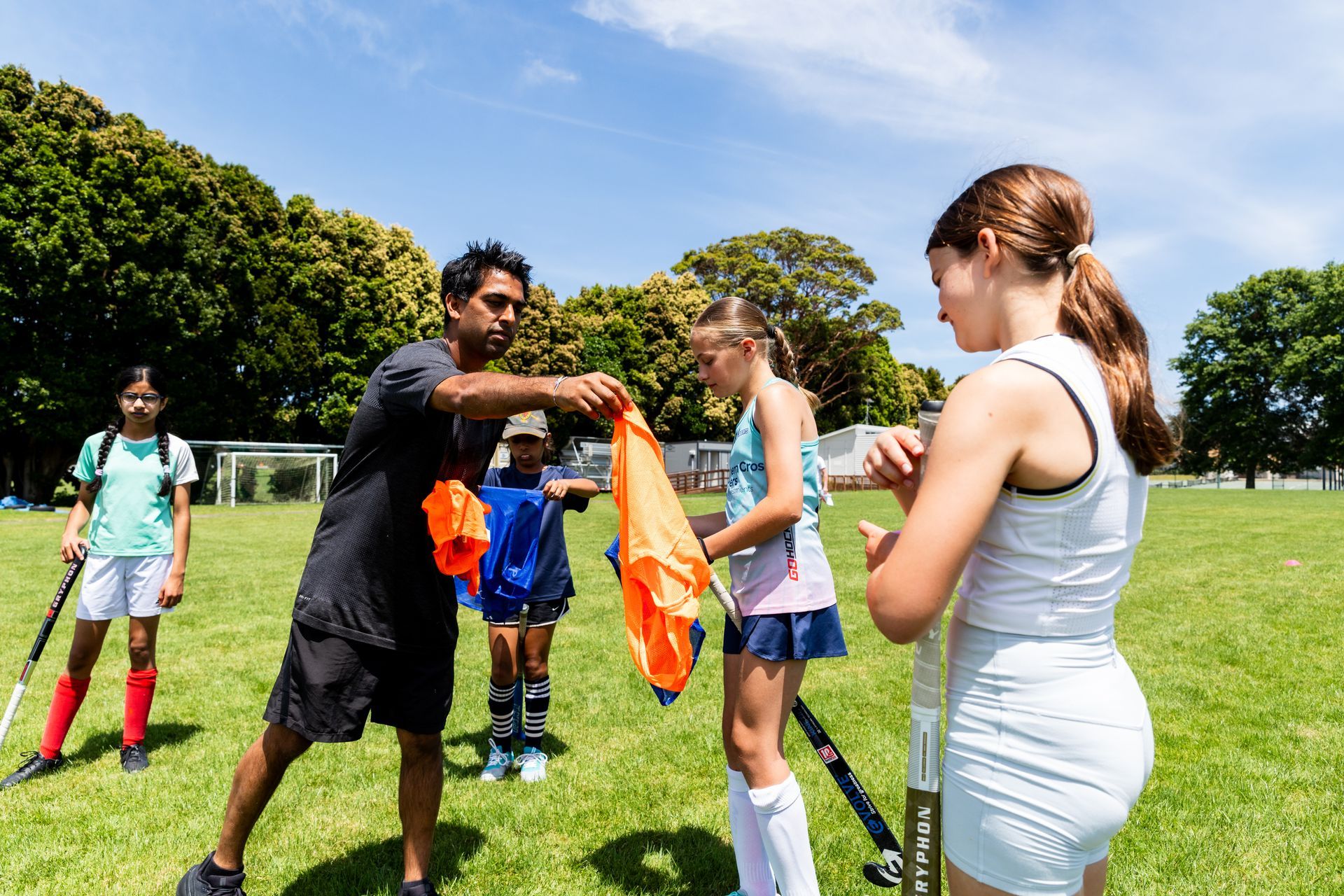
An effective coach starts by creating a positive first impression of hockey. They arrive with energy, enthusiasm, and a genuine desire to help young people enjoy the game (Lead with Purpose).
They take time to learn names, get to know the players, and understand what brought them to hockey in the first place (Build Strong Connections).
Recognising that many children are new to the game, the coach creates an environment where mistakes are welcomed, encouragement is common, and every player feels like they belong (Create Person Centred Environments).
Training activities are designed to help players experience success, build confidence, and learn fundamental skills through engaging activities and games (Develop People).
After training, the coach reflects on how the session may have been experienced by the players. They access ideas through CoachMate, seek advice from others, and consider what they could do even better next week (Evolve Their Coaching Knowledge).
For this player, a great hockey experience feels fun, supportive, and rewarding. They leave excited to come back.